
"parchment removal"
400 article(s) found

What are the processing methods of fine coffee common sense coffee raw beans?
After picking, coffee fruits need to go through a series of processes before they can become what we call coffee raw beans. This series of processes are often referred to as the handling of raw coffee beans or the rough processing of raw coffee beans in the industry. Before we talk about the classification of specific treatment methods, let's take a look at the structure of coffee fruits and raw coffee beans. Coffee fruit from outside to inside is: pericarp (exocarp)

Why does Kenyan coffee come from washing the flavor of Kenyan berries?
Professional coffee knowledge exchange more coffee bean information please follow the coffee workshop (Wechat official account cafe_style) front street-Kenya coffee introduction have you ever wondered why the taste of Kenyan coffee is so unique, clean and complex? Kenya uses the world-famous unique washing process, known as Kenyan double fermentation or double immersion washing, to provide coffee.

The story of the characteristics of coffee beans treated with wet planing in Indonesia
Why does old Mantenin use wet planing? What are the beans treated by wet planing? The most famous producing areas of coffee in Asia are the islands of Malaysia: Sumatra, Java and Kaliman. Among them, Sumatra manning coffee is the most famous on the Indonesian island of Sumatra. It has two famous names, Sumatra manning DP I

Processing methods of high-quality coffee technology coffee raw beans
Dry treatment (secado), also known as natural all-day exposure (natural). After the coffee fruit is actually picked, it is dried directly in the sun. According to the weather conditions, it is usually necessary to dry the coffee beans for 2 weeks, so that the water content of the coffee beans is reduced to 10%. Then the machine is used to remove the dried peel and pulp. Raw bean processing plant (beneficio) usually keeps the outside of coffee beans when raw beans are stored.

Professional terms for coffee farms-the meaning of various words for coffee farms
For professional baristas, please follow the coffee workshop (Wechat official account qianjiecoffee) to remove foreign bodies in raw beans, broken beans, and defective beans. Coffee beans: business term used to refer to sun-dried coffee seeds. Coffee cherry: the fruit on the coffee tree. Defect: the damaged part of the coffee bean will seriously reduce the quality of the coffee. Dry fermentation: after the coffee is peeled, after no
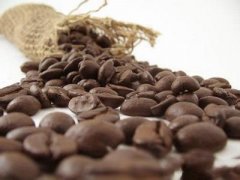
Two methods for processing fresh coffee beans: wet treatment and drying
Wet treatment requires the use of specific equipment and a large amount of water. When properly operated, it can ensure that the original quality of coffee beans is better preserved, producing homogeneous coffee beans with few bad beans. As a result, coffee beans produced in this way are generally considered to be of better quality and charge higher prices. Even after careful harvest, a certain amount of underdried and undercooked coffee

Two methods of wet treatment and dry treatment in the processing of fresh coffee beans
Wet treatment requires the use of specific equipment and a large amount of water. When properly operated, it can ensure that the original quality of coffee beans is better preserved, producing homogeneous coffee beans with few bad beans. As a result, coffee beans produced in this way are generally considered to be of better quality and charge higher prices. Even after careful harvest, a certain amount of underdried and undercooked coffee

How about Sumatran Coffee? introduction to the characteristics of Sumatran semi-washed coffee
Professional coffee knowledge exchange more coffee bean information please follow the coffee workshop (Wechat official account cafe_style) Front Street Coffee-Sumatra semi-washing treatment introduce Manning's unique wet planing method, also known as Wet Hulling, also known in the local language as Giling Basah, is the traditional Indonesian coffee treatment. Judging from the name alone,
Classification of coffee classification steps of raw coffee after processing
Coffee beans that have been dried or fermented can be stored. At this time, the coffee beans lost most of their moisture, and there was a parchment-like coat on the outside. People in the coffee industry called this ad valorem coffee. This parchment coat needs to be removed before the coffee beans are exported; removal can be done with a pressing, rolling or shelling machine. Sometimes, coffee beans are polished before they are exported.
Treatment of Coffee fruits-- washing
When the coffee fruit is harvested from the mountain, the next step is to remove the peel and pulp of the coffee beans. There are two main ways of treatment: washing and solarization. But the ultimate determining factor is whether there is enough water to use. Some special boutique coffees are both insolated and washed.

Treatment of Coffee Fruit and Coffee beans
When the coffee fruit is harvested from the mountain, the next step is to remove the peel and pulp of the coffee beans. There are two main ways of treatment: washing and solarization. But the ultimate determining factor is whether there is enough water to use. Some special boutique coffees are both insolated and washed. Washing requires the use of special machinery and equipment and adequate water sources.

Coffee and bean honey treatment method introduction of high-quality coffee bean treatment method
Silver Skin/Chaff: there is a thinner film inside the parchment that wraps the coffee beans. Because the color is glossy and silvery, people used to call it silver skin. This layer of silver will fall off during baking. Usually when you grind the coffee, you find some silver crumbs in the coffee powder. These crumbs are the silver skins that fail to peel off the coffee beans during baking. 5. Coffee

How to avoid the stink of coffee beans? what's the secret to storing coffee?
This is like fruit. If you eat it before it is ripe, it will taste sour. When ripe, the organic acids in the fruit are converted into sugar, and the taste is sweet and delicious. The same is true of coffee fruit. The sugars contained in ripe coffee red fruit, pulp and parchment are completely infiltrated into the beans, greatly increasing the aroma and fruit aroma of coffee beans. It has high sweetness and sour taste.

What is honey treatment? What is washing treatment? What are their strengths and weaknesses?
Professional coffee knowledge exchange more coffee bean information Please pay attention to the coffee workshop (Wechat official account cafe_style) washing method put the selected coffee cherries into the peeling machine to initially remove their peel and pulp. Put the coffee beans with residual pectin into the water and let them ferment (about 24 hours). After fermentation, put the raw coffee beans with parchment into the flow tank

The treatment method of raw coffee bean; the detailed introduction of washing method.
When the coffee fruit is harvested from the mountain, the next step is to remove the peel and pulp of the coffee beans. There are two main ways of treatment: washing and solarization. But the ultimate determining factor is whether there is enough water to use. Some special boutique coffees are both insolated and washed. Washing requires the use of special machinery and equipment and adequate water sources.

Conventional treatment of Ugandan coffee
Professional Coffee knowledge Exchange more information on coffee beans Please follow the Coffee Workshop (official Wechat account cafe_style) routine treatment of ripe coffee fruits (cherries) through a series of operations, the aim is to extract coffee beans from the pulp, mucus, parchment and film they cover, in order to improve their appearance. The final clean coffee (FAQ) is suitable after baking and grinding.

Why does Kenyan coffee taste unique, clean and complex? How to make coffee with coffee powder?
Why does Kenyan coffee taste unique, clean and complex? How to make coffee with coffee powder? Kenya uses the world-famous unique washing process, known as Kenyan double fermentation or double immersion washing, which provides amazing taste complexity and excellent consistency for coffee. 1. Growing environment most coffee in Kenya is grown from the mountains of Kenya to near Nairobi.
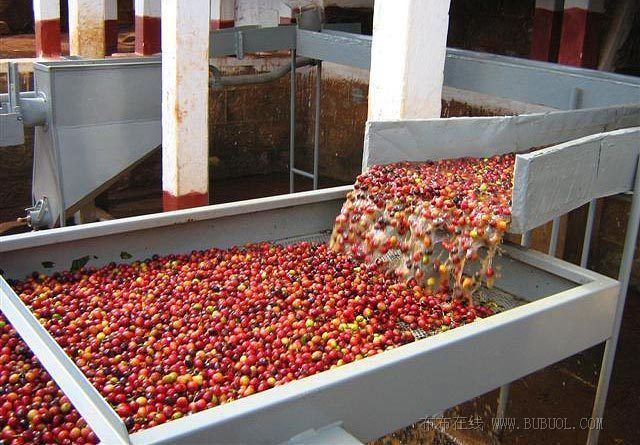
The treatment method of Coffee Fruit-- the introduction of Water washing method and the difference between Water washing method and Solar method
When the coffee fruit is harvested from the mountain, the next step is to remove the peel and pulp of the coffee beans. There are two main ways of treatment: washing and solarization. But the ultimate determining factor is whether there is enough water to use. Some special boutique coffees are both insolated and washed. Washing requires the use of special machinery and equipment and adequate water sources.

What's the difference between Sumatra's unique wet planing and wet treatment?
Professional coffee knowledge exchange more coffee bean information please pay attention to the coffee workshop (Wechat official account cafe_style) Wet planing and wet treatment is the relationship between seeking common ground while reserving differences? In the traditional wet treatment, fresh coffee cherries remove their pulp (Pulped) and leave them in a concrete pool to ferment overnight for acidification and pectin decomposition. Next, with sheepskin.
Coffee bean processing coffee washing method or drying method is better
The refined processing of coffee beans has about 8 processes, such as rough processing, separation, classification, fermentation, drying, shelling, polishing, sorting and so on. There are two ways to prepare coffee beans for the baking process. The method chosen has a significant impact on the final value and quality of coffee. The cheapest processing method is called drying, which is used for lower grade coffee beans and higher quality coffee beans.